Wakayama
KUMANO KODOKumano Kodo
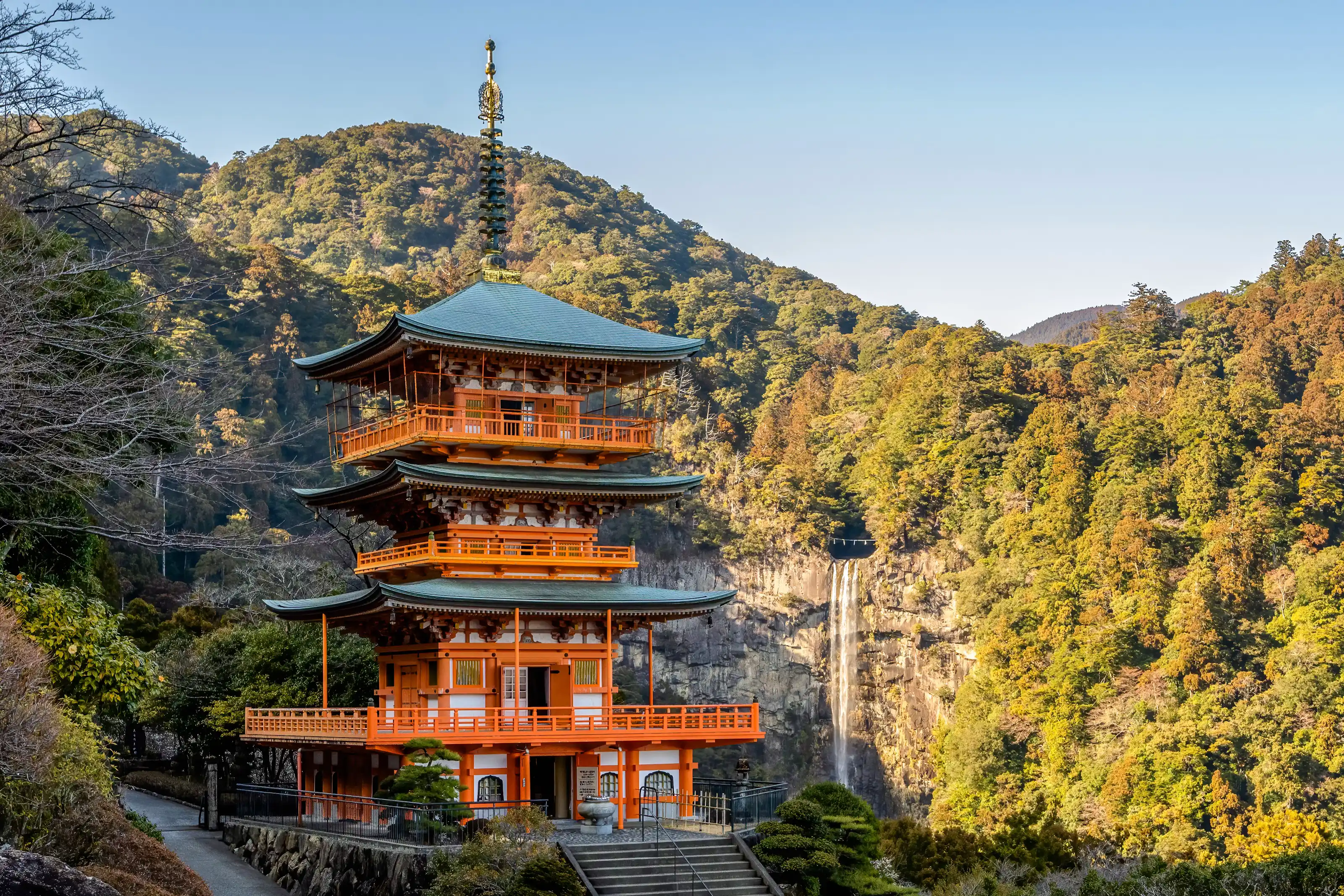
Cedar-lined stone steps and Nachi Falls along the Kumano Kodo in Wakayama — a hidden pilgrimage trail, a World Heritage route winding through old-growth forest.
- Region
- Wakayama
- Best Season
- Spring、Autumn
- Difficulty
- Challenging
- Suggested Stay
- Recommended stay: 1–2 days
- Best Suited For
- Culture and history enthusiasts、Hikers、Solo travelers
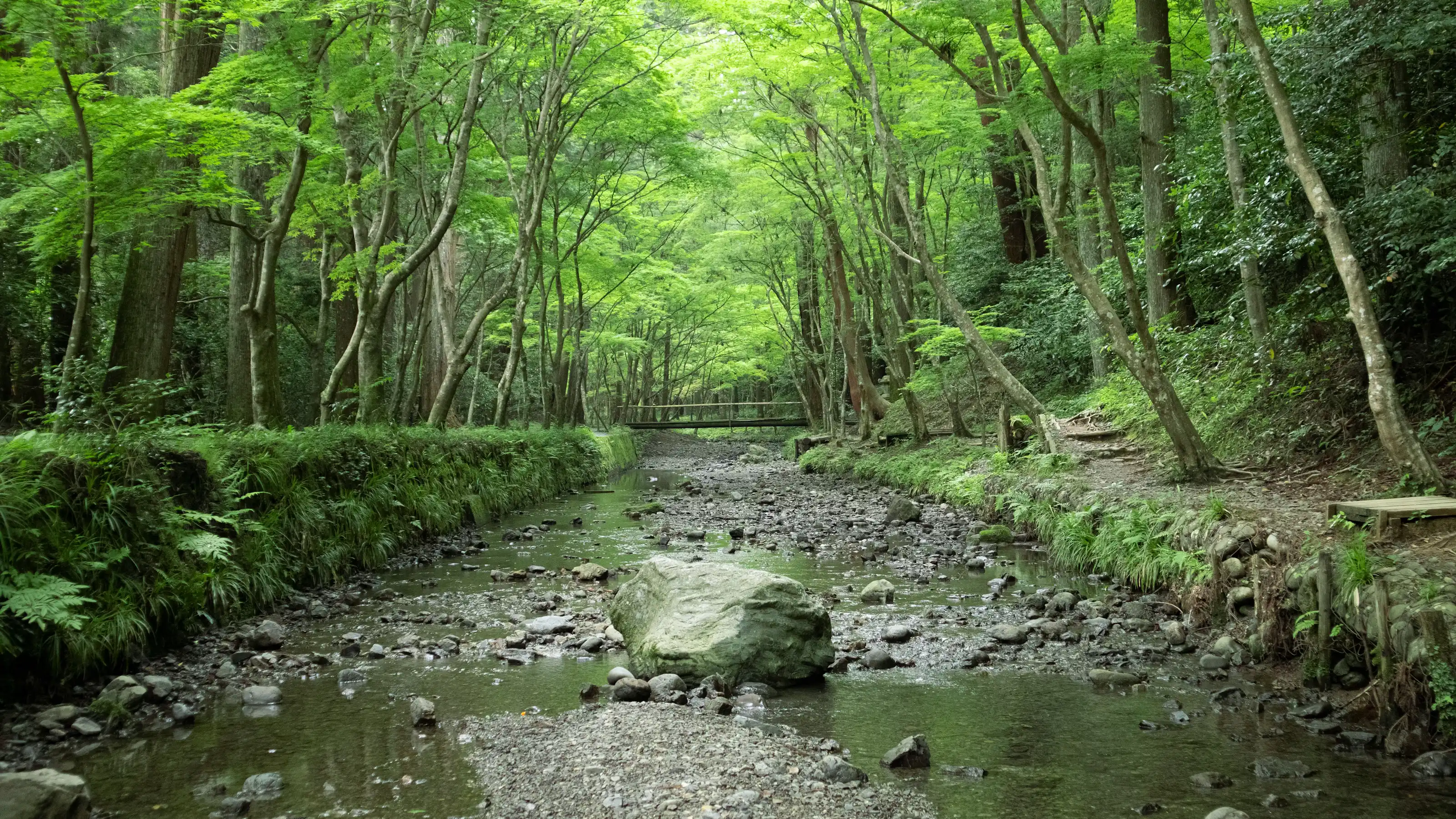
The Kumano Kodo is a network of ancient pilgrimage trails running through the mountains of the Kii Peninsula. In 2004 it was inscribed as a World Heritage site alongside Spain’s Camino de Santiago, making it one of the rare World Heritage listings formed jointly by two different religious pilgrimage routes. Among its routes, the Nakahechi is the best preserved and most walked, linking the three grand shrines of Kumano — Hongu Taisha, Hayatama Taisha, and Nachi Taisha — as it winds through old-growth forest of cedar and cypress.
The trail is passable year-round, though its mood shifts with the seasons: in spring (March to April) mountain cherry blossoms dot the forest and fresh greenery emerges along the path; during the rainy season (June) the stone steps grow slippery but the moss reaches its richest color; in autumn (October to November) maple and ginkgo add warm tones to the trail; in winter (December to February), mountain temperatures drop and some higher stretches occasionally see a light dusting of snow, giving the forest a quieter, more still texture.
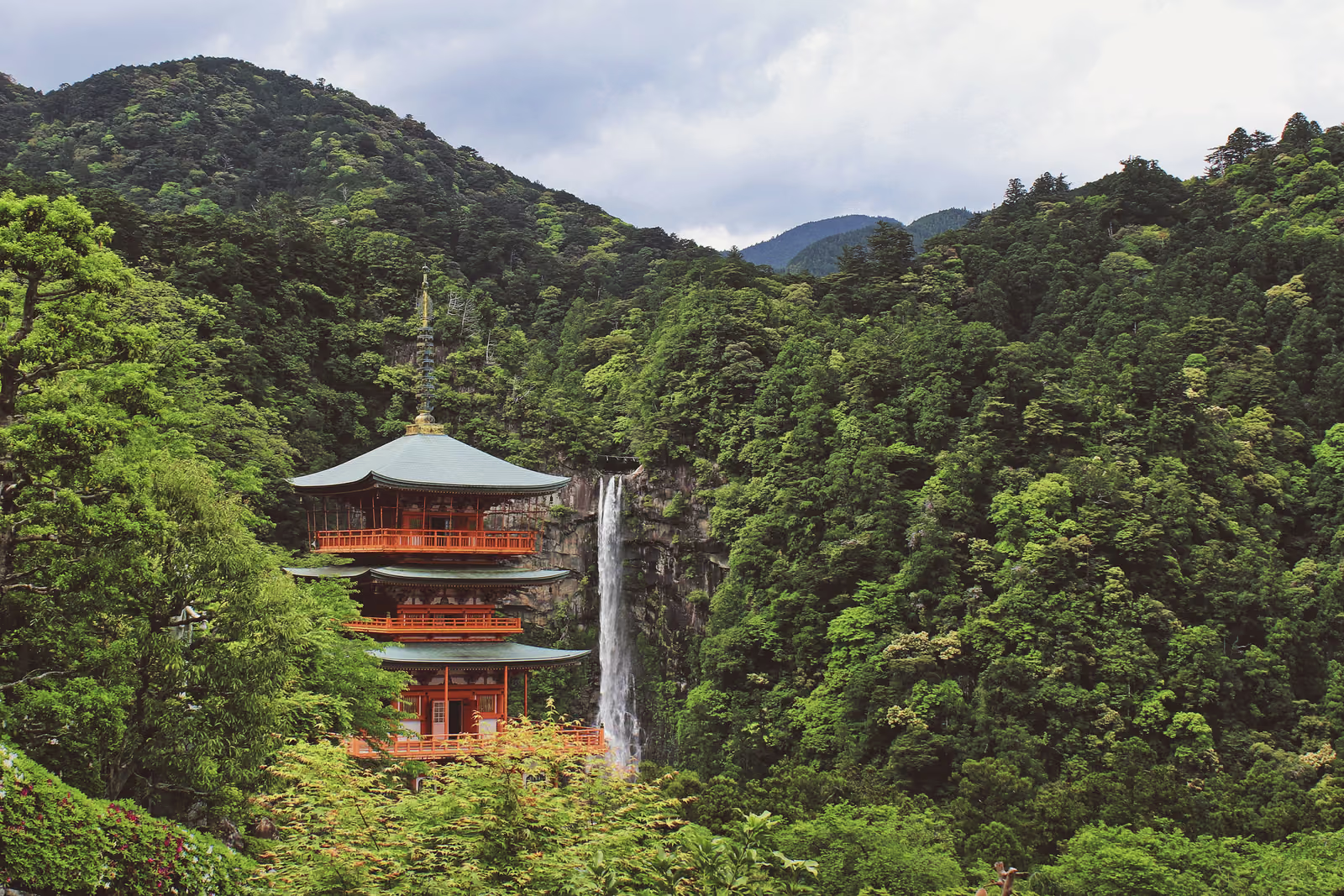
The most iconic photography spot is the towering cedars flanking the stone steps of Daimonzaka — when morning mist lingers, light filtering through the canopy creates a striking crepuscular-ray effect. Near Nachi Taisha, the classic composition frames the three-story pagoda together with Nachi Falls; it’s best to avoid the harsh overhead light of midday to preserve the texture of the waterfall’s mist.
To get there, buses run from JR Kii-Tanabe Station or Kii-Katsuura Station to various trailheads along the old road — the bus to the Daimonzaka entrance, for example, takes about an hour, with services concentrated during daytime hours; some mountain stretches see only a handful of buses a day. Walking segments range from tens of minutes to several hours, with elevation change and step gradient varying by section.
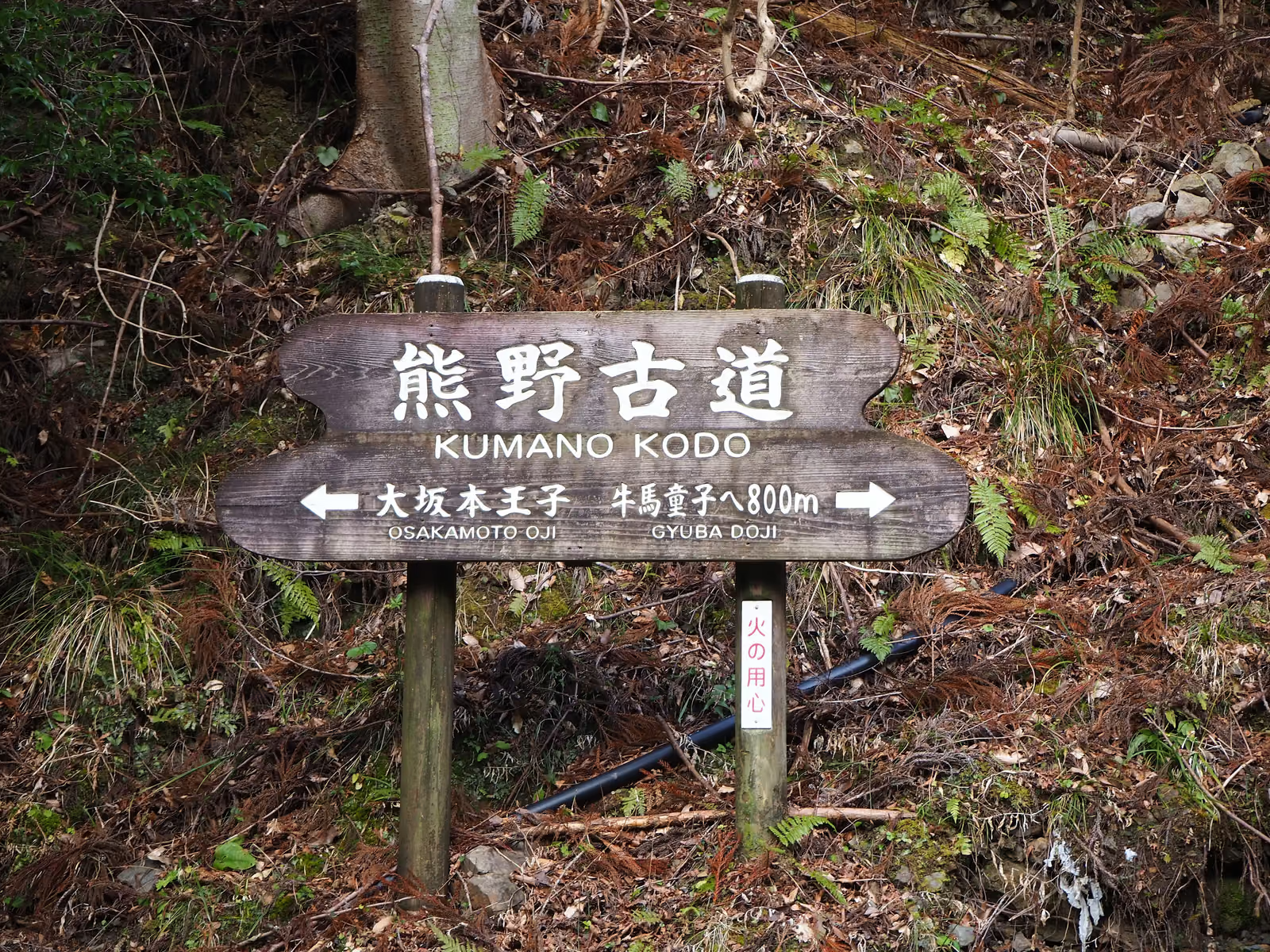
The difficulties of independent travel here center on the trail itself and on connecting transport: the old road is mostly stone paving and dirt track, slippery after rain with some steep sections, demanding more stamina than an ordinary sightseeing path; buses are infrequent, so missing the last one means a long wait in the mountains or reworking the itinerary; Chinese-language signage along the way is limited and the route branches frequently, making it easy for inexperienced hikers to hesitate over which fork to take.
Gallery
You May Also Like
Add WeChat, and let's talk about your trip
A journey into hidden Japan — made for you alone.

YUGEN-JOURNEY(In WeChat, press and hold the QR code to scan, or tap the button below)
Service Boundaries
- You book your flights and hotels independently: I provide a custom illustrated itinerary as reference, but I do not take part in the booking process and do not collect or forward payment on your behalf.
- For ground transport, I help connect you with a licensed charter company (green-plate vehicles); you contract and settle payment directly with them, and I accompany you throughout the ride.
- I am a Mandarin-speaking private guide (the studio's sole operator), not a travel agency; the only fees charged are for guiding/companion services and photography services.