Hokkaido
BIEIBiei
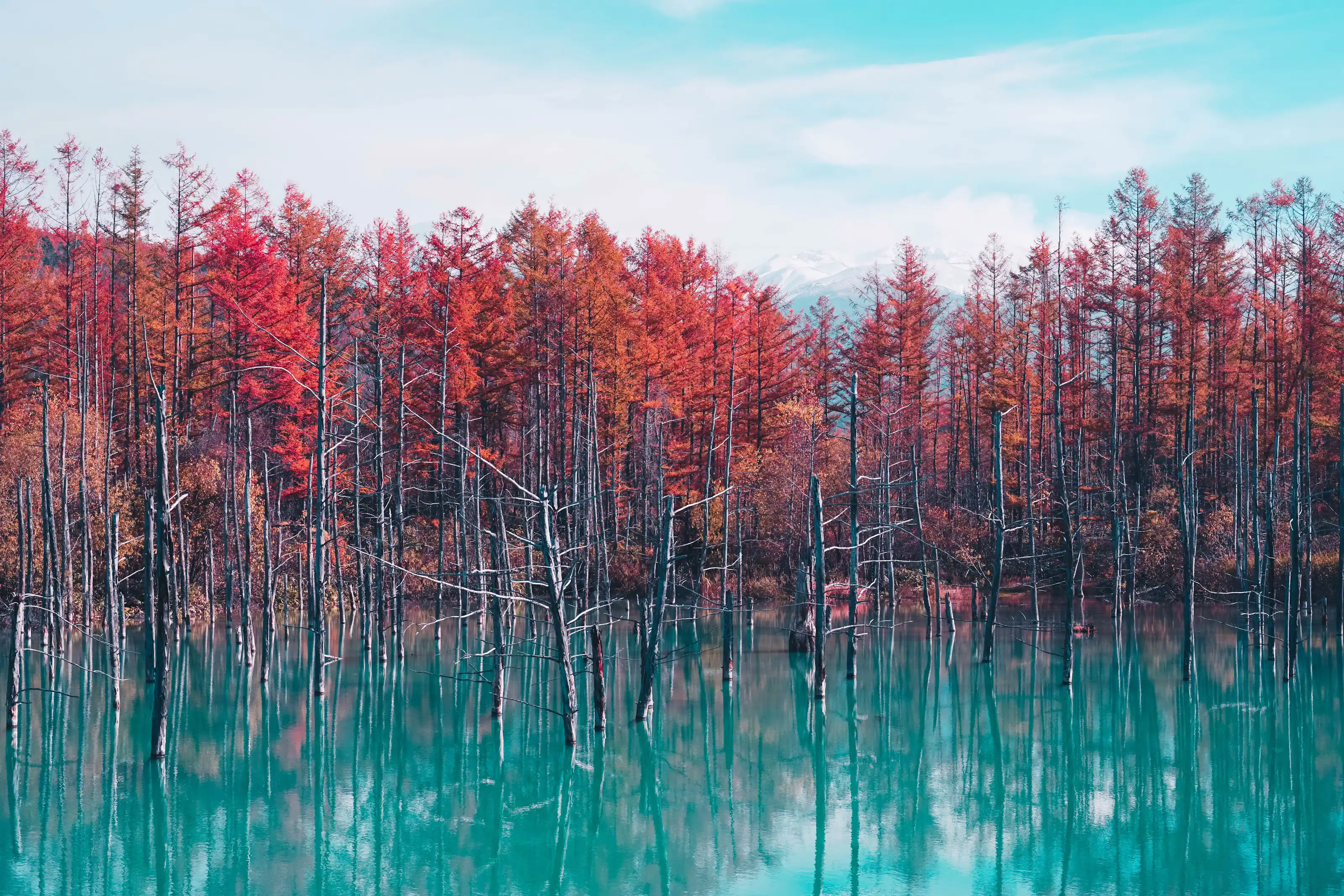
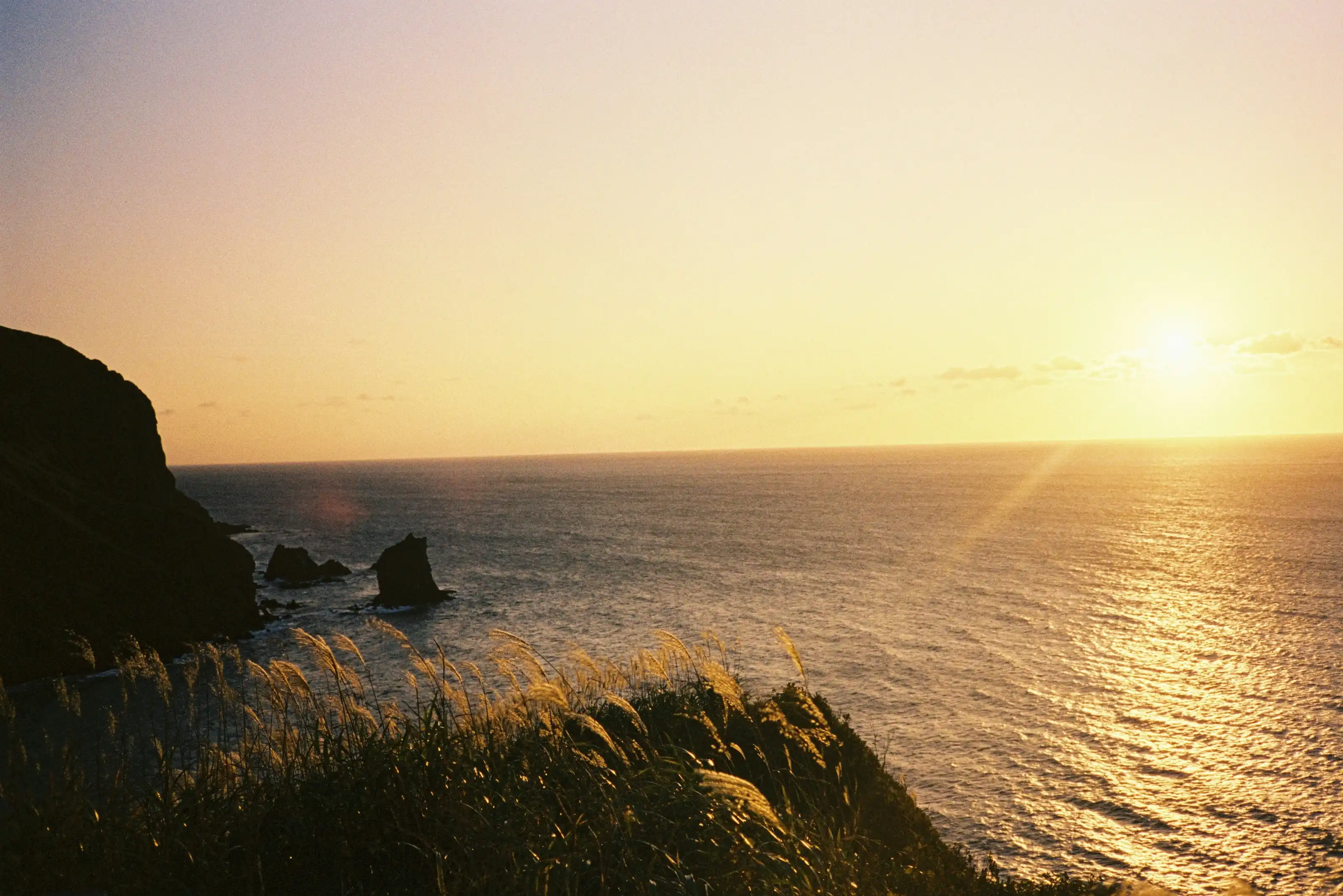
Biei's Blue Pond and rolling hillside farmland in Hokkaido — flower fields in summer, snow-covered plains in winter — a hidden destination well suited to families and photographers.
- Region
- Hokkaido
- Best Season
- Summer、Winter
- Difficulty
- Easy
- Suggested Stay
- Recommended stay: 1–2 days
- Best Suited For
- Families with children、Photography enthusiasts、Honeymooning couples
Biei sits in central Hokkaido, between Asahikawa and Furano, known for its rolling hillside farmland. Here, fields unbroken by fences follow the natural contours of the land — wheat, beans, and potatoes interweave into a patchwork of color, which is why the area is called the “Patchwork Road.” Solitary trees stand scattered among the hills, a landscape left behind by generations of local farmers at work, not a scenic feature built for tourists.
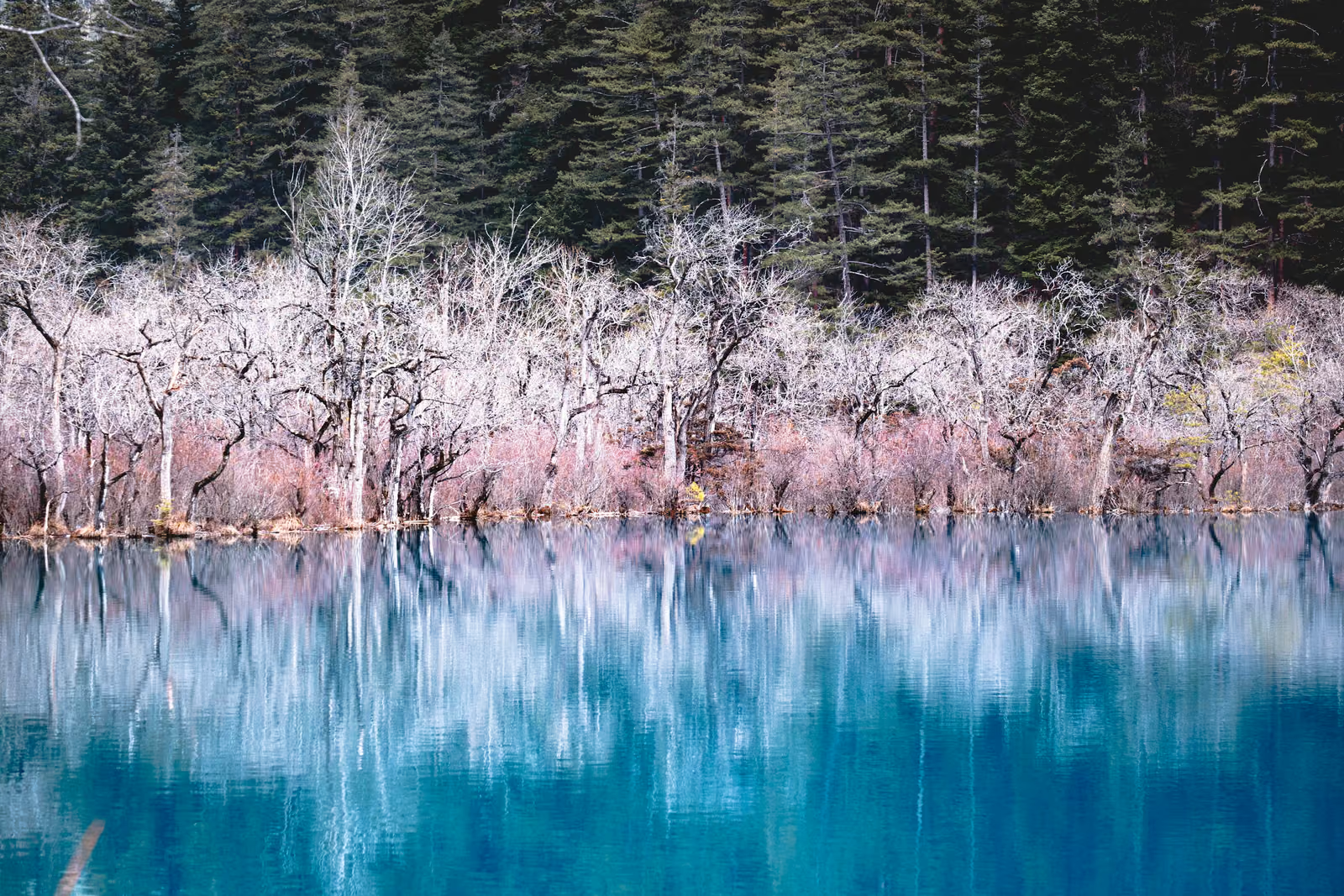
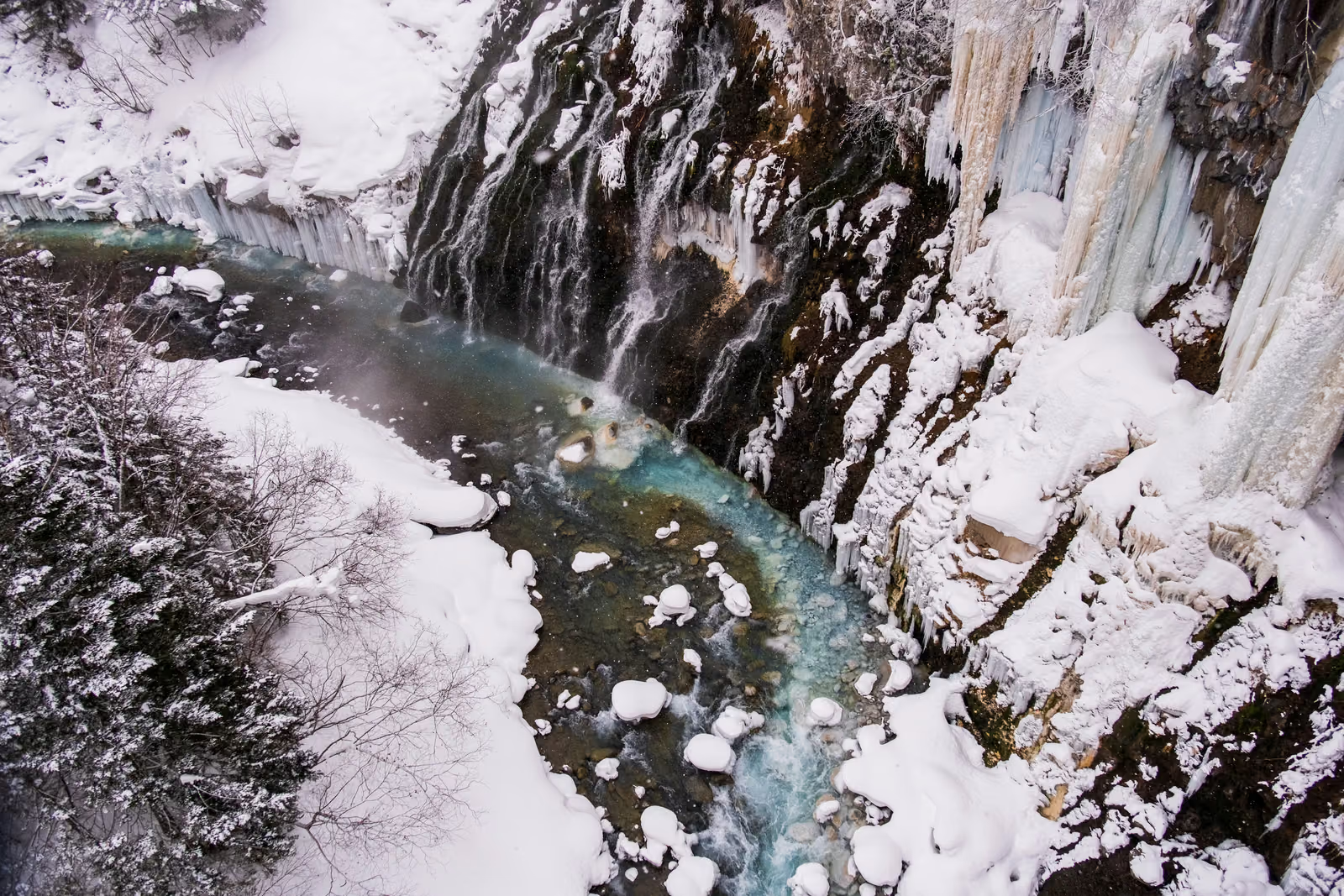
Summer (June to August) is Biei’s most colorful season: sunflowers and lavender bloom in succession, and the hills take on layered shades of green and yellow. After the September harvest, the fields shift to earthy, faded-gold transitional tones. In winter (December to February), heavy snow blankets the hills, leaving only the silhouettes of solitary trees and windbreak groves against the white plain; the Blue Pond partially freezes in the cold, its blue water and white ice crystals overlapping to create a distinctive interplay of light.
For photography, several viewpoints along Shikisai-no-Oka and the Patchwork Road are well suited to capturing sweeping views of the hillside’s rolling contours. At the Blue Pond, it’s best to avoid the harsh overhead light of midday — the side light of early morning or evening brings out the color layers on the water’s surface more clearly. When shooting the winter snowfields, be mindful of how light reflected off the snow affects metering; bringing equipment with manual exposure control is recommended.
As for getting there, the JR Furano Line stops at Biei Station, roughly 2.5 hours from Sapporo including a transfer, or about an hour by bus or taxi from Asahikawa Airport into town. Major sights such as the Blue Pond and Shikisai-no-Oka lie scattered 5 to 15 kilometers outside Biei Station, with no regular bus route connecting them to one another, and some roads are temporarily closed or speed-restricted due to snow in winter.
The main difficulties of independent travel here come from transportation and seasonality: the sights are spread out with little public transit linking them, so most visitors need to self-drive to cover several viewpoints in a single day; winter driving carries a real risk of skidding for those unfamiliar with snow conditions, and rental car companies offer only limited Chinese-language service; beyond that, Biei’s hillside scenery depends heavily on weather and light, with the same spot looking dramatically different at different times of day, so without local experience it’s difficult to judge the right moment to view or photograph a scene.
Gallery
You May Also Like
Add WeChat, and let's talk about your trip
A journey into hidden Japan — made for you alone.

YUGEN-JOURNEY(In WeChat, press and hold the QR code to scan, or tap the button below)
Service Boundaries
- You book your flights and hotels independently: I provide a custom illustrated itinerary as reference, but I do not take part in the booking process and do not collect or forward payment on your behalf.
- For ground transport, I help connect you with a licensed charter company (green-plate vehicles); you contract and settle payment directly with them, and I accompany you throughout the ride.
- I am a Mandarin-speaking private guide (the studio's sole operator), not a travel agency; the only fees charged are for guiding/companion services and photography services.